
From the Field: Working Across Protection Priorities in Niger
Hands go up across the crowd—parents, youth, elders, community leaders. For a moment the entire square is filled with raised arms. It is a simple gesture, but a powerful one. It reflects something I have learned during my time in Niger: protection is not only about policies or programmes. It is about communities deciding together what kind of future they want for their children.
During my deployment with UNICEF Niger as part of the MCF protection roster, I have been supporting a range of child protection priorities in a complex humanitarian context. In regions affected by insecurity, displacement, and recurring crises, children face a range of risks, from family separation and violence to harmful practices such as early marriage. Responding to these challenges requires both immediate support and longer-term efforts to strengthen the systems and partnerships that protect children.
Delivering Expertise Through the MCF Protection Roster
Through the MCF protection roster, deployments like mine enable specialized child protection expertise to support UNICEF and partners where needs are greatest. In Niger, this has meant contributing to efforts that strengthen Child Protection in Emergencies (CPiE) systems across regions affected by insecurity and displacement. Much of this work happens behind the scenes, supporting coordination between actors, reinforcing shared approaches to protection work, and strengthening the systems that allow partners to identify and respond to children’s needs more effectively.
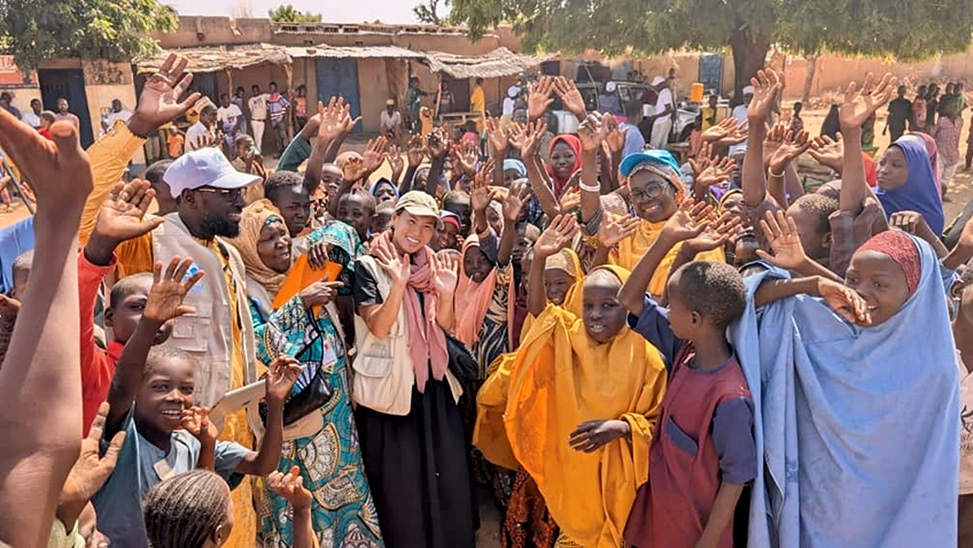
Hands go up across the crowd—parents, youth, elders, community leaders. For a moment the entire square is filled with raised arms. It is a simple gesture, but a powerful one. It reflects something I have learned during my time in Niger: protection is not only about policies or programmes. It is about communities deciding together what kind of future they want for their children.
Another important dimension of the deployment has been supporting efforts on Protection from Sexual Exploitation and Abuse (PSEA) and safeguarding. Humanitarian action must be safe and accountable to the communities it serves. Working alongside UNICEF colleagues and the inter-agency PSEA Network in Niger, I have contributed to initiatives that strengthen coordination, awareness, and common standards for safeguarding. At its core, this work is about ensuring that communities understand their rights and that organizations delivering assistance remain accountable to the people they serve.
A further aspect of the deployment has involved strengthening evidence and learning within child protection programmes. Supporting the documentation of good practices, contributing to shared guidance and tools, and helping improve how protection information is used are all part of ensuring that experiences from the field inform future responses. These quieter aspects of protection work are essential—they help ensure that lessons learned today can strengthen programmes tomorrow.
Youth Voices and Local Leadership
Still, it is often the moments spent with communities that stay with me the most. In Maradi, local leaders spoke about how the community had changed over time. Where discussions about child marriage or violence in the home were once difficult to have openly, community members now gather to talk about these issues and search for solutions together. Seeing young people stand up to speak about children’s rights during the meeting was particularly striking.
Experiences like this are a reminder that protecting children is ultimately a collective effort. While international organizations and humanitarian actors play an important role in providing support, lasting change happens when communities themselves take ownership of protecting their children.
Working in Niger has reinforced for me how complex, but also how hopeful, child protection work can be. It requires collaboration between communities, national authorities, local organizations, and international partners. Being able to contribute to these efforts through the MCF protection roster and UNICEF has been both professionally meaningful and a powerful reminder of why this work matters.
Jeanette Trang
MCF Protection Roster – deployed with UNICEF Niger